Life

General reflections on life, values, decisions, and everyday experiences.

Derisking

/ Life /

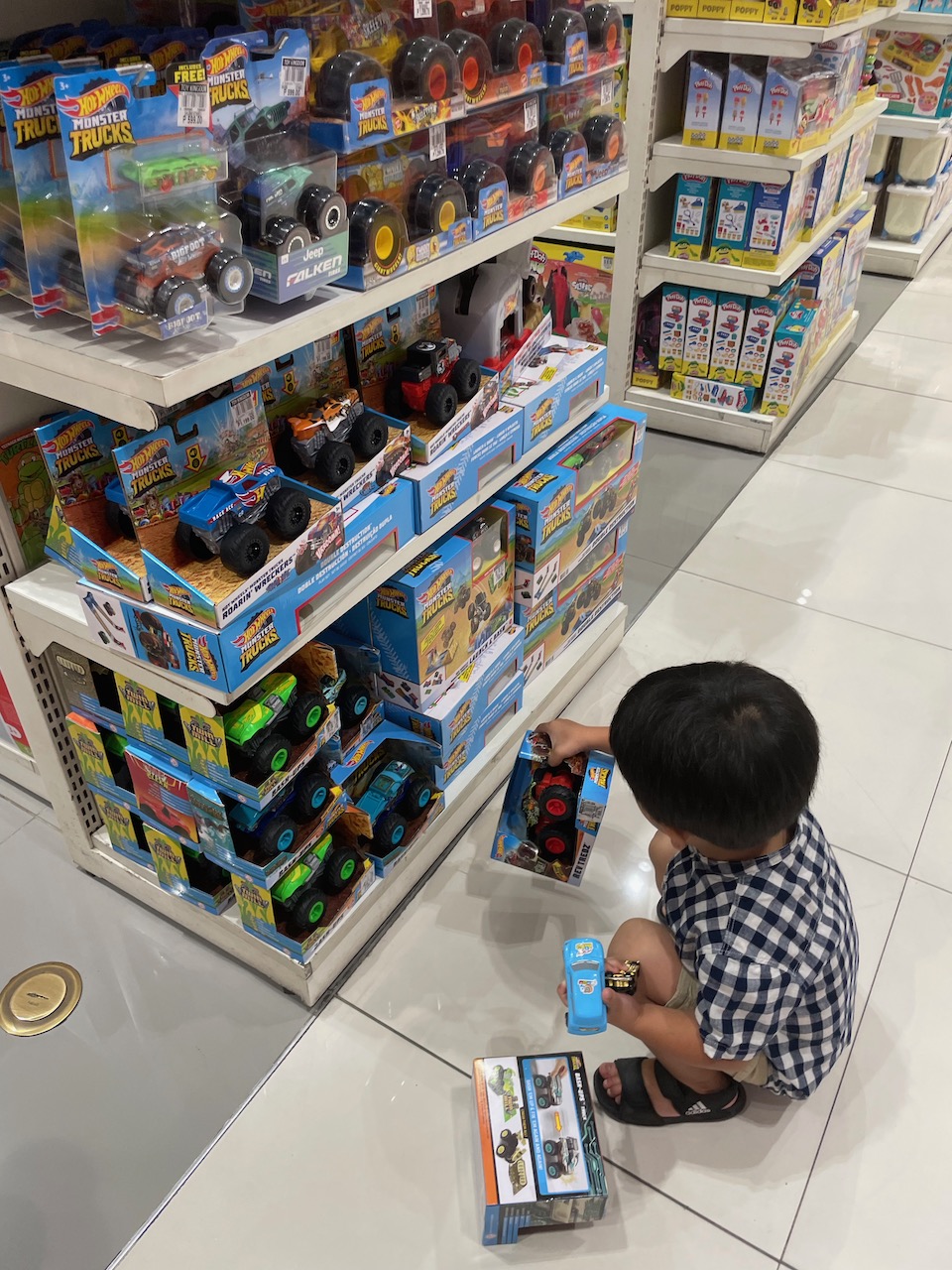
We made a big and risky decision this year. There was an opportunity cost if we don’t act and it could not be delayed further. This decision meant that our 6-months emergency fund was spent, and I’m in-debt for the next two years (if our income and spending remains the same).

As the sole provider, it keeps me up at night. It forced me to re-assess our situation.

That is spilt milk under the bridge. I have no regrets with the decision, that purchase was wise for our fast growing kids.

What I want to focus on now is how to move ahead. How can I reduce the risk?

Expanding my luck surface area

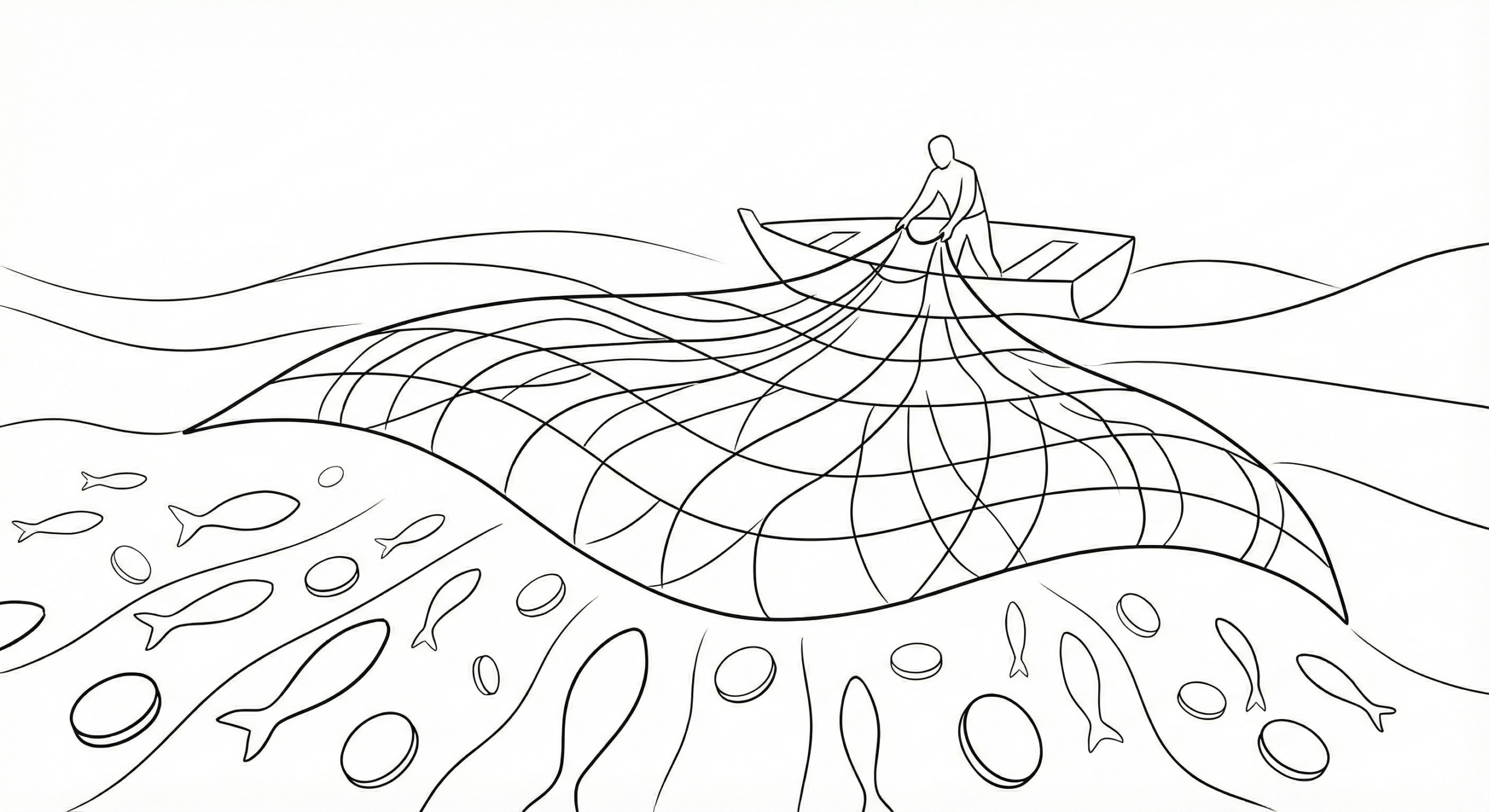
Luck is a big factor on where I am now. I can’t control luck, but I can increase my chances of getting lucky by planting seeds, growing my weak ties, expanding my luck surface area.

Prioritize working on things I can show

Given the choices of things to work on, lean on tasks I can use as portfolio or demonstrate my technical depth.

Document the work I do publicly

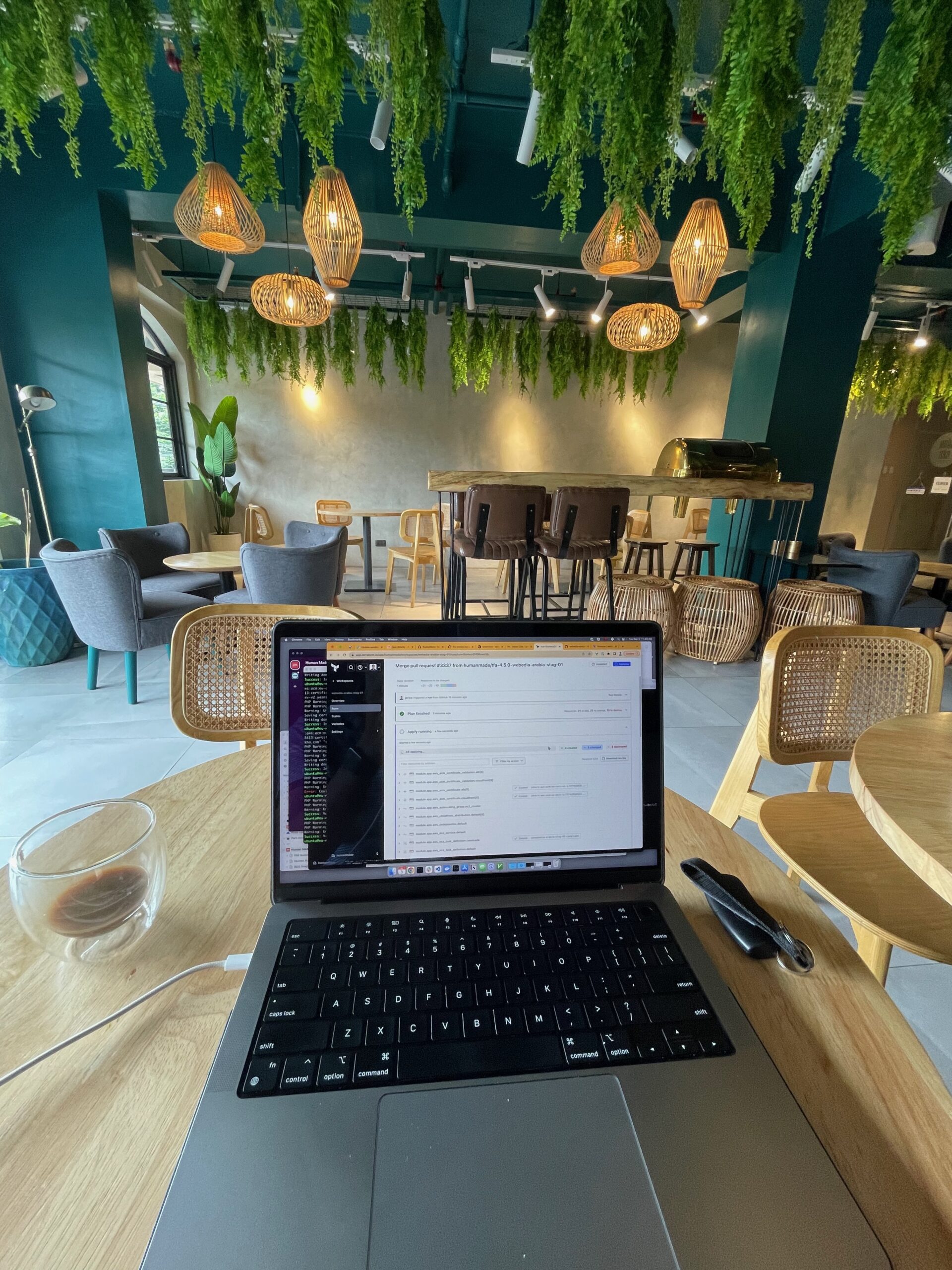
I have not been very good at writing and documenting things I do at work. I assume it’s too niche, too AWS, too WordPress.

It does not matter. Work ends when it’s documented, not when the PR is merged.

Rebuild my full-stack web dev portfolio

When I shifted into cloud engineering, I stopped building web apps anymore. I’m not a senior-level cloud engineer, but I’m also no longer the web developer I used to be.

I forgot I enjoy doing it until recently when I had an opportunity to work on a small feature that required a UI. I had so much fun. I also forgot I don’t need to wait for opportunities at work to build apps, to solve actual problems. There are a lot of problems where a little bit of software can make a difference.

I’ll find and make more opportunities to do more of software development, which also gives me another path if cloud engineering does not ultimately work out.

Value-based Giving

/ Life , General /

Later in my freelance career, I learned the term value-based pricing. It’s a pricing strategy where the price of my service is set based on the value it provides.

This shifted on how I look at things. I started looking at how businesses generate revenue and focus where I could help increase it or reduce costs, then I anchor my rate based off that. It worked well for me. I gravitated to companies where my skills truly added value, which made my work more enjoyable. Hindi lang basta pera.

Thinking this way has become second-nature.

Now, I try to apply it in reverse: value-based giving.

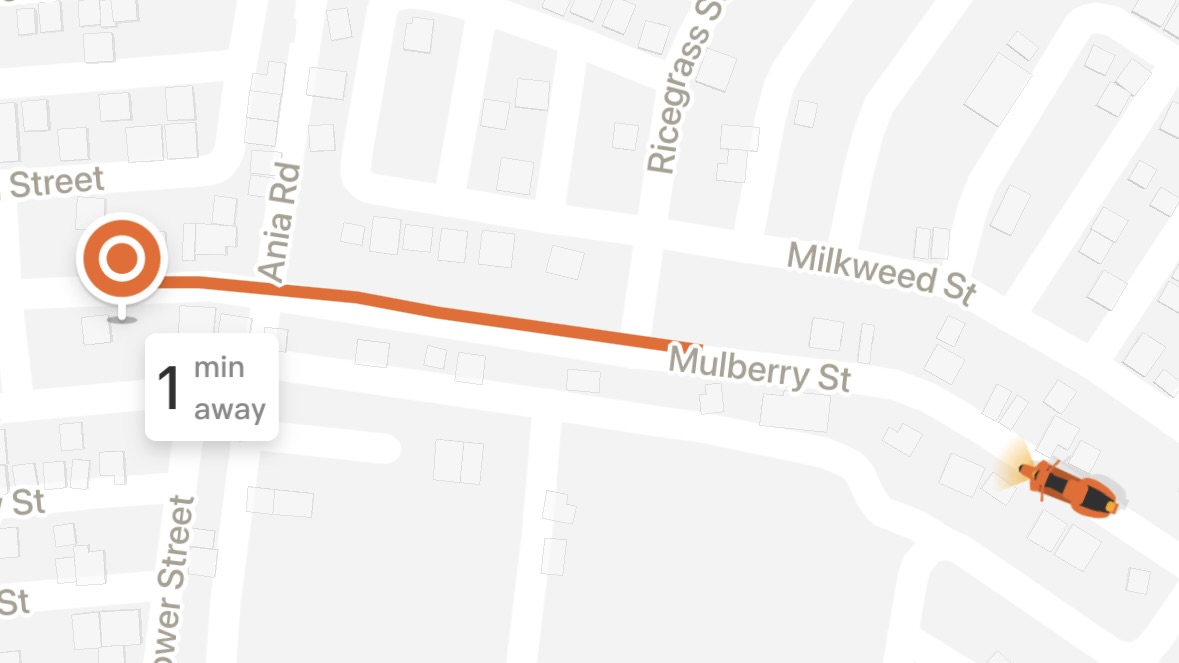
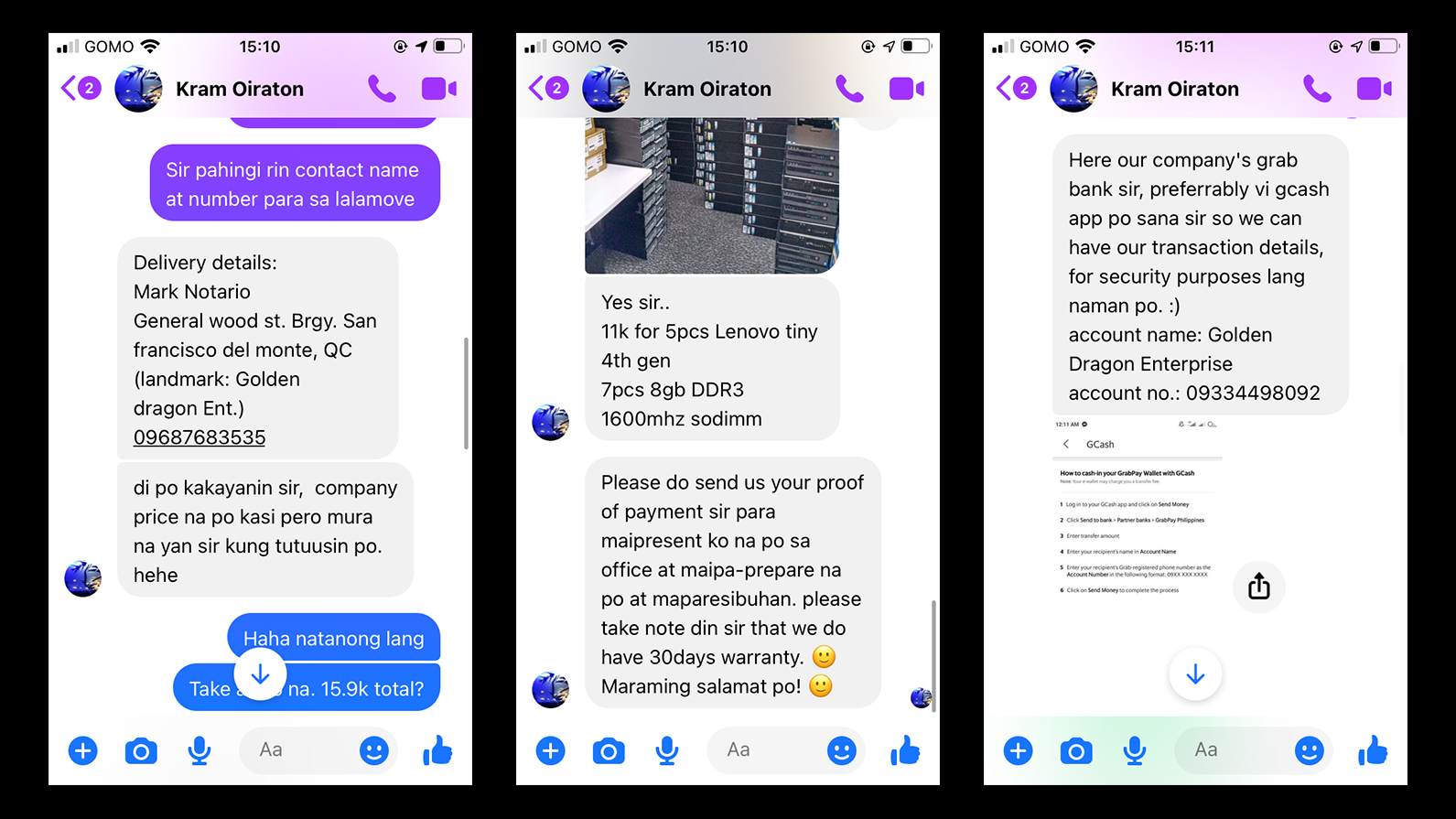
For instance, if I needed a medicine now, I’d book Grab Pabili to have someone buy it for me and bring it to my house. The time and energy I save are worth more than the total cost of the service. It makes it easy to give extra.

Another way I apply it is when I have to hire for help. I don’t haggle. I hire people to get to the same goal, I want to reach it where everyone feels they are paid fairly. Then add extra upon completion.

There are multitude ways to do this. But it all comes down to recognizing value and showing gratitude by giving back (sometimes more than what’s expected).

Something has to change

/ Life /
  • I have a thousand things I need and want to do. Before I could brute force doing as much as I can by compromising my sleep, but it does not work anymore (comes with old age). No good sleep means not a good day.
  • I have to manage my energy very carefully if I want to progress in anything, and not be trapped in reactionary day.
  • For the past couple of days, I’ve been re-assessing how I’m spending my time. It’s not easy to have slow mornings anymore. I’m always in a rush. I’ve been spending more time in my office than at home. I go home
  • Things has to change.
  • Kapag nagmamadali, ibig sabihin sablay priorities.

Ownership

/ Life /

I used to be sold to the idea of sharing economy. Uber, AirBnb, and not owning things. It fits well with my minimalist lifestyle.

I distinctly remember trying my first Uber ride. At that moment, I thought “Why would I need a car? A car that I have to maintain, and buy insurance for”. I even considered limiting everything I own in a backpack, which would allow me to move wherever I want, whenever I want.

Owning a car

Sure, owning a car is more expensive overall. But it buys me freedom. Uber is convenient only to places where they operate, at the time when there’s a demand. With a car, I have the flexibility to travel on my terms, have my own private space. I don’t have to worry about whether I can book a ride to the specific place I want to go at any given time.

Owning a place

“Most people, Kamala, are like a falling leaf, which is blown and is turning around through the air, and wavers, and tumbles to the ground. But others, a few, are like stars, they go on a fixed course, no wind reaches them, in themselves they have their law and their course” — Siddhartha

Sure, being able to move at whim seems nice. Having tried it though, I felt lost. “What the hell am I doing? What am I trying to prove?” is what I remember thinking when I was moving to my 4th hostel.

Having my own place allows me to establish roots. It gives me a home, a space where I feel at ease and can be myself, doing things that suit me. Unlike renting, where even something as simple as putting a nail in the wall requires permission, ownership offers the freedom to make decisions about the space without constraints.

Owning a decision

Ownership extends beyond material things, it includes decisions too. When I own a decision, I take responsibility for the resulting outcome. Regardless if it’s good or bad.

If in my mind it’s somebody else’s fault, how the hell can that help? Owning a decision puts myself in a position where I can correct myself when I acknowledge I made a bad move.

Ownership comes with higher costs — more money, more responsibility, more time and effort. However, the sense of having more influence over the direction of my life makes it worth it for me.

Showing 4 of 31 posts